

 Essilor progressive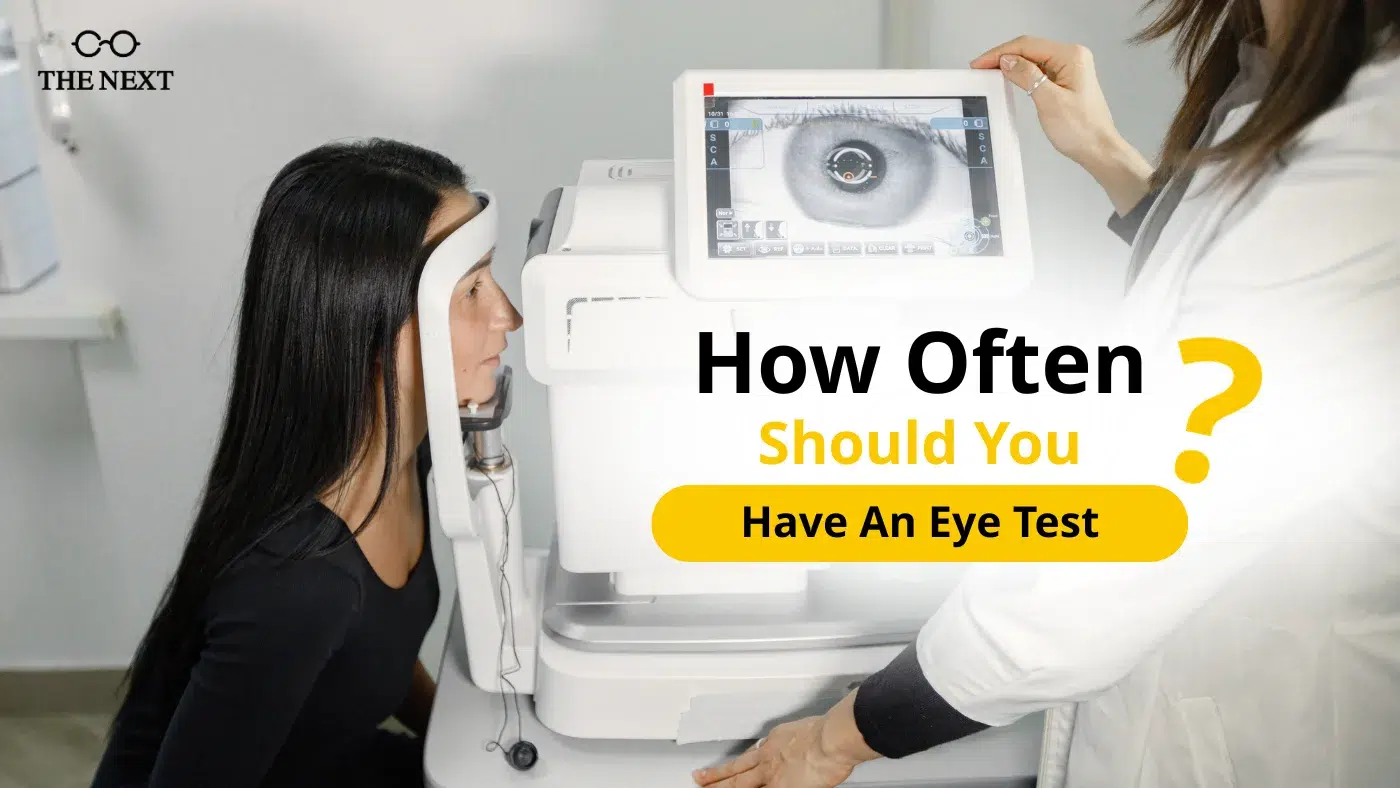
Taking care of your vision is a lifelong commitment, but it is easy to put off routine health checkups when you aren’t experiencing any immediate problems. A common question people ask is exactly how often to get eyes checked to maintain optimal vision. The answer isn’t a one-size-fits-all number, it depends heavily on your age, medical history, and whether you currently wear corrective lenses. Understanding how often you should have an eye test is the first step in protecting your long-term eye health and ensuring you see the world clearly for years to come.
What Is an Eye Exam?
A comprehensive eye exam is much more than just reading letters off a chart to see if you need glasses. It is a thorough evaluation of both your visual acuity and the overall physical health of your eyes. During this visit, your eye doctor will check how well your eyes focus light to determine if you have refractive errors like myopia and hyperopia. Beyond prescribing corrective lenses, these exams allow your doctor to look closely at the blood vessels and nerve tissues inside your eye, helping to catch early signs of eye diseases like glaucoma or cataracts, as well as systemic health conditions like diabetes, high blood pressure, and high cholesterol.
How Often Do You Need an Eye Exam?
When figuring out how often to get eyes checked, the most important factor to consider is your stage of life. If you do not have a current prescription and are not experiencing any troubling symptoms like blurriness, redness, or pain, most eye care professionals recommend following a standard timeline based on your age. Let’s look at how often you should have an eye test depending on your age group.
Children
Vision plays a massive role in a child’s development. Experts note that approximately 80% of all learning happens through visual pathways. Despite this, 1 in 4 children has a correctable refractive error that goes unaddressed, and 1 in 30 school-aged children experiences brain-related visual issues. To stay ahead of these statistics, infants should have their first eye assessment between 6 and 12 months of age. A follow-up visit should happen between ages three and five, and once a child reaches school age, they should be examined every year to monitor their rapidly developing eyes.
Adults
For adults between the ages of 18 and 64 with a low risk for vision problems, scheduling a visit every one to two years is generally sufficient to monitor eye health. However, once you turn 65, you should transition to annual visits, as seniors have a higher likelihood of developing cataracts or age-related vision changes. Keep in mind that if you already wear contacts or glasses, you will likely need to schedule an appointment every year to keep your prescription up to date, regardless of your age.
Risk Factors for Vision Loss You Should Know
Certain health and lifestyle factors require you to monitor your vision more closely. If any of the following apply to you, you should generally schedule yearly visits:
- Having diabetes or high blood pressure.
- A family history of eye diseases, such as glaucoma or macular degeneration.
- Belonging to a high-risk racial or ethnic group; for instance, African-American and Latino individuals are statistically at a higher risk for certain eye diseases.
- Taking prescription or over-the-counter medications that have known vision-related side effects.
- Working in a visually demanding occupation or an environment hazardous to the eyes.
- Having a history of eye injuries or previous eye surgeries.
Vision Screening vs. Eye Exam
It is easy to confuse a quick vision check with a thorough exam, but they serve very different purposes:
- Vision Screening: This is a brief, basic assessment often provided at schools or during a general physical with your primary care doctor. It tests basic distance and near vision to flag obvious issues but does not provide a medical diagnosis.
- Comprehensive Eye Exam: Performed by an optometrist or ophthalmologist, this in-depth evaluation checks your complete eye health. The doctor will dilate your pupils to look inside your eye, accurately measure visual acuity, and diagnose any underlying issues that a simple screening will miss.
Eye Exam at THE NEXT Optical

Staying on top of your eye health is simple when you have a reliable team to support you. If you are looking for an optical shop in Thailand that prioritizes your visual wellness, THE NEXT Optical is here to guide you through a comprehensive evaluation. Whether you just need a routine check to update your current frames or you are looking to get a new pair of prescription glasses in Bangkok, our staff will ensure your eyes are thoroughly evaluated and comfortably fitted.
FAQs
1. How long does a typical comprehensive eye exam take?
A standard comprehensive eye evaluation usually takes between 30 to 60 minutes, depending on whether your eyes need to be dilated and if any additional specialized testing is required.
2. Do I need an eye exam if I have normal vision?
Yes. Even if you have 20/20 vision and no current symptoms, regular checkups are crucial because many eye diseases, and even systemic health issues, show no early warning signs.
3. What is the difference between an optometrist and an ophthalmologist?
An optometrist provides primary vision care, including sight testing, prescribing corrective lenses, and managing common vision changes. An ophthalmologist is a medical doctor who provides complete eye care, diagnoses complex diseases, and can perform eye surgeries.
